Getting Around · Stations
Tokyo Station: The Local's Guide to Japan's Bullet-Train Gateway
This is Japan's front door. From here, the Shinkansen reaches almost the entire country. It's less of a maze than Shinjuku — but it has its own traps, its own decoder ring, and the best food of any station in Japan.
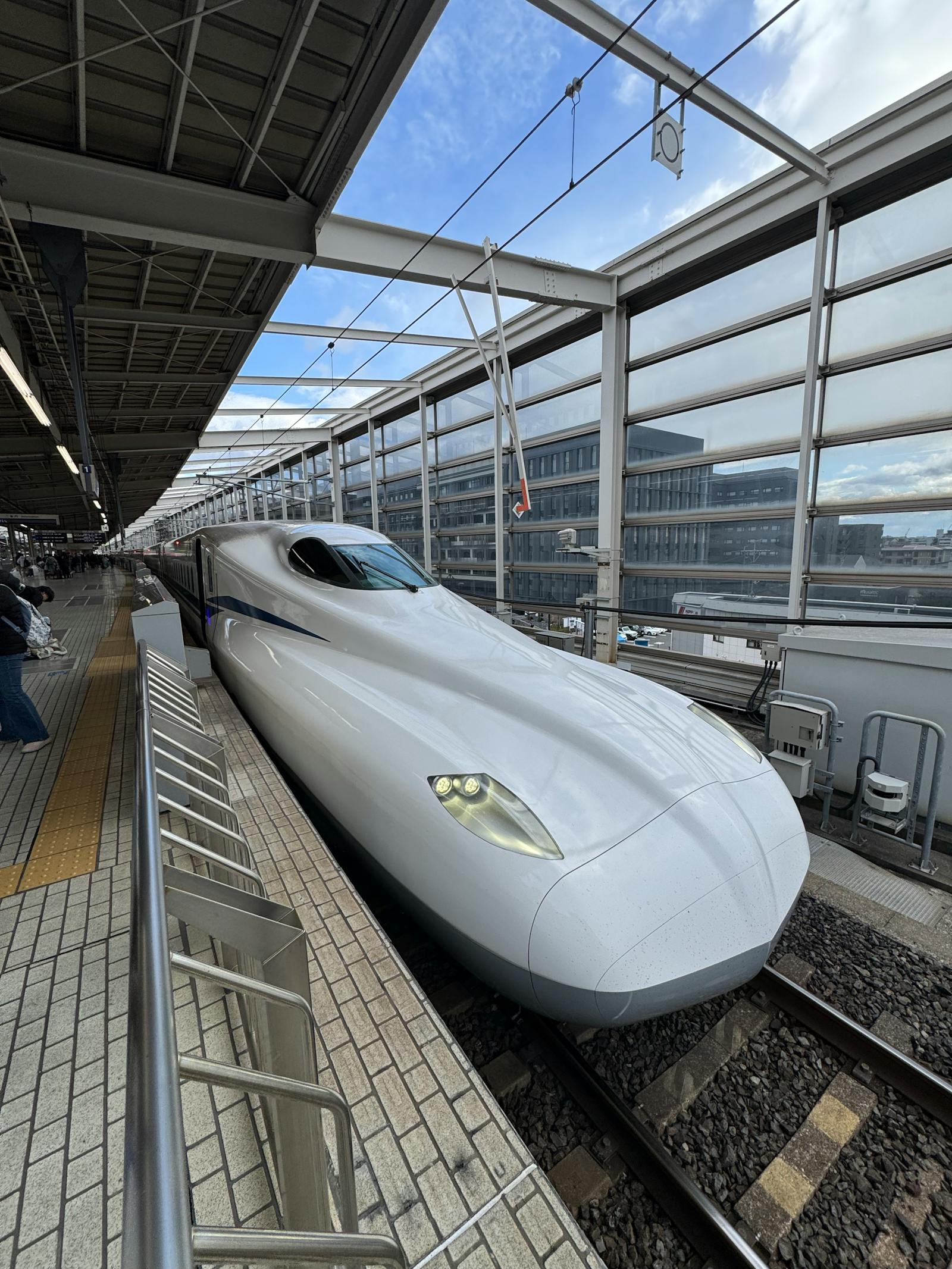
Tokyo Station has the most platforms of any station in the country, sends out around 3,000 trains a day, and is the hub of the entire bullet-train network — you can reach 34 of Japan's 47 prefectures from here without changing trains. Unlike the other big hubs, most people here aren't commuting; they're transferring or catching a Shinkansen out of the city.
Two things make Tokyo Station click: understanding that "JR" isn't one company, and treating it as a launchpad rather than a maze.
The decoder ring: "JR" is not one company
What it is: JR isn't a single railway. When Japan's national railway was privatised in 1987 it was split into a group of separate regional companies — JR Hokkaido, JR East, JR Central, JR West, JR Shikoku and JR Kyushu (plus JR Freight).
At Tokyo Station you deal with two of them at once, and it matters most for the Shinkansen:
- JR East (corporate colour: green) runs all the local Tokyo lines and the bullet trains heading north and east — Tohoku, Hokkaido, Yamagata, Akita, Joetsu and Hokuriku Shinkansen.
- JR Central (colour: orange) runs the Tokaido Shinkansen heading west — Nagoya, Kyoto, Osaka and on toward Hiroshima and Hakata.
Here's the catch most visitors miss: the two companies' Shinkansen have separate ticket gates and aren't connected to each other. Go through the wrong company's gate and you're at the wrong bullet trains. The colours are your friend — green = JR East, orange = JR Central (and out west, light blue = JR West). Match the colour on the signs and tickets to where you're going.
The local ritual: buy an ekiben before you board
What it is: an ekiben (駅弁) is a station bento — a boxed meal, very often a regional specialty, designed to be eaten on the train.
Tokyo Station's inside-the-gates food (what locals call ekinaka) is some of the best in the country, and the ritual is simple: grab an ekiben and a drink before you board, and eat it on the Shinkansen as the city slides away. It's one of the small joys of travelling in Japan.
The headline spot is Ekibenya Matsuri, near the central concourse by the Shinkansen gates — often called Japan's best ekiben shop, with 150+ kinds every day gathered from stations all over the country. Don't board hungry.
Two sides: Marunouchi (grand) and Yaesu (modern)
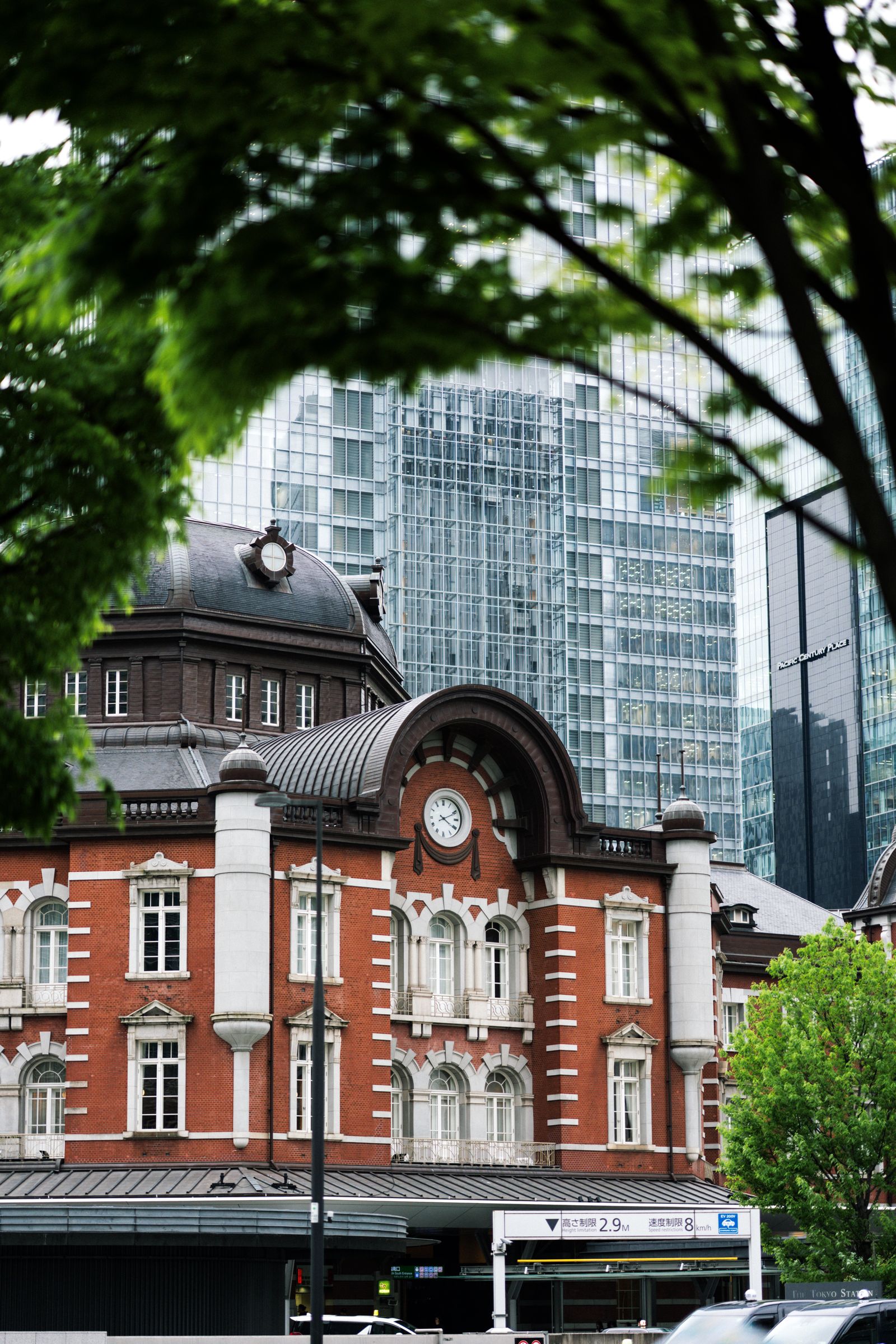
- Marunouchi side (west) — the grand 1914 red-brick station building, a designated Important Cultural Property, beautifully restored. Step out the Marunouchi Exit just to see it (and the open avenue toward the Imperial Palace). It's one of Tokyo's most photographed buildings.
- Yaesu side (east) — the modern face: a big underground shopping street and the business district. Practical, not pretty.
The one real trap: the Keiyo Line is miles away
Heading to Tokyo Disney Resort (Maihama)? You need the Keiyo Line — and its platforms are a genuinely long walk (think 10+ minutes), tucked far to the south of the station and reached via the central concourse. Give yourself extra time, and follow the yellow signs the whole way. It catches out a lot of excited families.
Subways: only Marunouchi here
The only subway inside Tokyo Station is the Tokyo Metro Marunouchi Line. For the Tozai Line, you actually use Otemachi Station, connected underground. My local tip: if you're already on the Marunouchi side, it's often easiest to just walk through to Otemachi and board there, rather than wrestle the tangled passages over on the Yaesu side.
And as everywhere: look up and follow the overhead signs — the yellow-and-black ones mark the numbered exits and, here, the way to the Shinkansen and the Keiyo Line.
If you remember only three things
- "JR" is two companies here — green (JR East) north/east, orange (JR Central) west; separate Shinkansen gates.
- Buy an ekiben before you board — Ekibenya Matsuri, near the Shinkansen gates.
- The Keiyo Line (for Disney) is a long walk — leave extra time and follow the yellow signs.
What makes this easy
- A phone with data (eSIM). For finding the right Shinkansen gate, timing the long walk to the Keiyo Line, and reading platform signs, Google Maps and Translate are invaluable. A travel eSIM for Japan activates before you land.
- A Suica or PASMO IC card for the local lines and subways. Note: the Shinkansen needs its own ticket and seat (book ahead in busy seasons) — your IC card alone won't get you on the bullet train.
Where to stay near Tokyo Station
Planning to stay near Tokyo Station? Agoda lists thousands of Tokyo hotels — compare prices for your dates and book in a few taps.
🏨 Find your hotel in Tokyo (Agoda)These are affiliate links: they cost you nothing extra, and a small commission helps keep these guides free.
The local bottom line
Tokyo Station isn't really a maze — it's a launchpad, the front door to all of Japan. Remember that "JR" is two companies here (green east, orange west, separate Shinkansen gates), buy an ekiben before you board, leave extra time for the far-flung Keiyo Line, and step out at Marunouchi to admire the old red-brick building. Do that, and you're not a lost tourist — you're a traveller heading out in style.
Keep exploring Tokyo
- Airport access — Narita Express & Haneda routes.
- Suica & PASMO — tap through every gate.
- Shinagawa Station — your Haneda & Shinkansen hub.
- Ueno Station — your Narita gateway.
- Ichiran — the famous tonkotsu, decoded.
- Tokyo meals under ¥1,000
Sending you off with an ekiben and the right gate? If these guides help, a small tip keeps them coming.
☕ Buy me a coffee
Catching a Shinkansen or heading to Disney?
Ask me directly — I reply in public so the next traveller benefits too: