Getting Around · Stations
Shinjuku Station Without Getting Lost: A Local's Guide
If Ikebukuro is a maze, Shinjuku is the final boss — the busiest station on the planet. But it runs on the same simple logic. Here's the structure that makes it click.
Shinjuku moves more than 3 million people a day — Guinness World Records lists it as the busiest railway station on Earth. Five rail operators, dozens of platforms, and exits spread across an underground city. It's bigger and more tangled than Ikebukuro, and the West-side underground genuinely catches out even locals.
I pass through here all the time. The trick is the same as anywhere in Tokyo: understand the skeleton, then follow the signs. Once you can picture the structure, Shinjuku stops being scary.
The skeleton: JR down the middle, cross underground
Same backbone as Ikebukuro: the JR lines run north–south straight through the centre and wall the East side off from the West. To cross, you use the big East–West Free Passage underground — a wide corridor you can walk without a ticket. Get that one fact and half the confusion disappears.
Here's the local's mental map of who sits where:
- West side — the two big private railways to the western suburbs, Keio and Odakyu, plus the skyscraper office district (West Shinjuku).
- North side — the Tokyo Metro Marunouchi Line.
- South-west, and a bit removed — the Toei Oedo Line. Its platforms are genuinely a walk away and feel far; give yourself extra minutes.
- Toei Shinjuku Line — runs east–west beneath the centre.
- Seibu Shinjuku Station — not directly connected to the main station. To reach it, leave from the East Exit, go up to street level, and walk toward Kabukicho.
The West Exit underground: the real maze
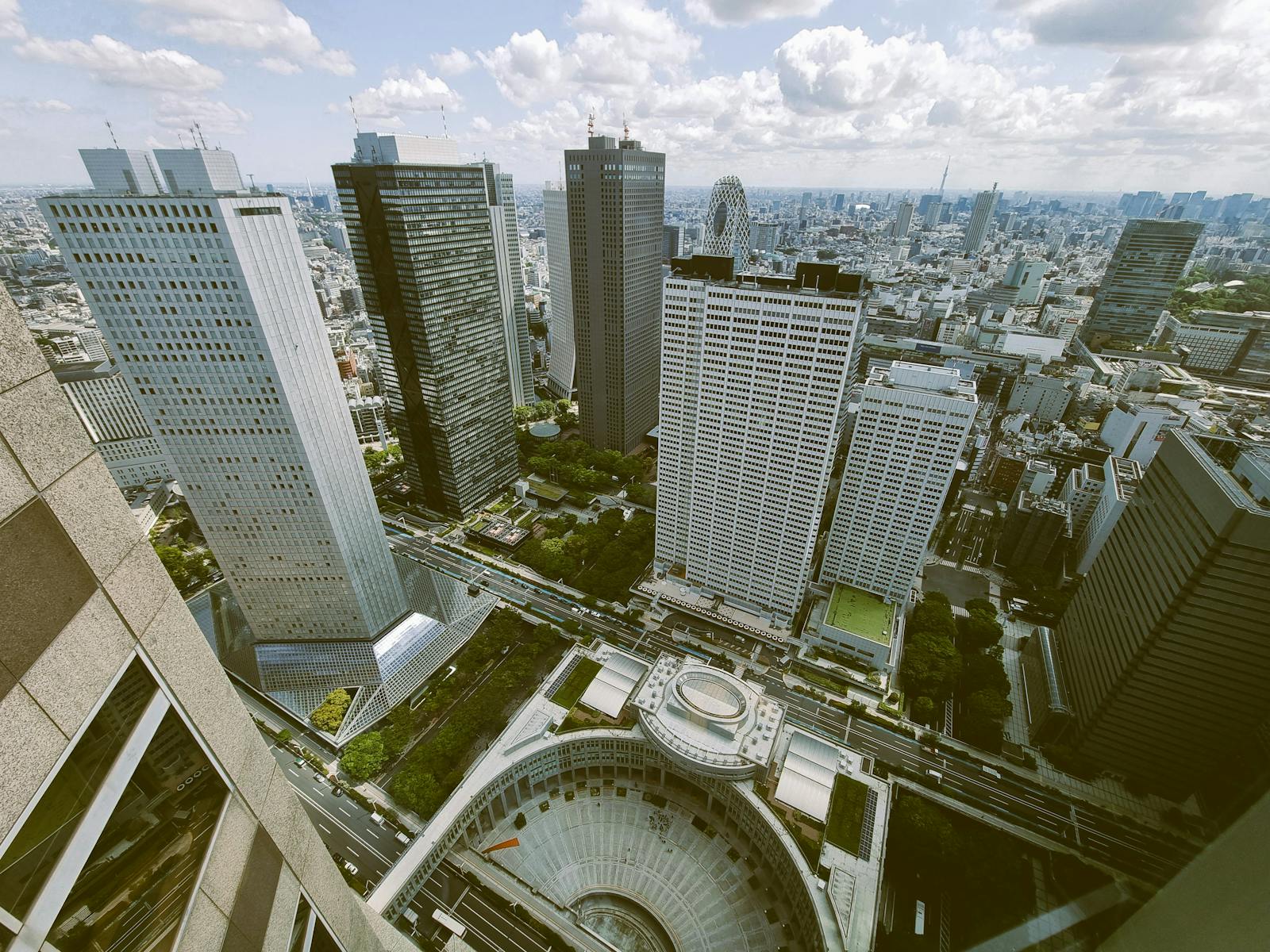
This is where people lose ten minutes. The West-side underground is a sprawling warren, and the street above is grade-separated — roads cross on several levels — so if you surface without a plan, you can pop up above or below where you actually wanted to be, with no easy way across.
Decide your exit before you start walking. Get the exit number from your maps app, lock onto it, and follow that number through the underground. Don't head "vaguely west and up" — at Shinjuku, that's how you end up stranded on the wrong level.
The East side — and the underground walk to Shinjuku-sanchome
The East side is less tangled. And here's a very local move: a continuous underground passage runs all the way from Shinjuku Station to Shinjuku-sanchome Station — lined with shops the whole way. Almost no Tokyoite rides the train for that one stop; we just walk it underground. Knowing this saves you a pointless transfer (and a fare), and keeps you out of the weather and the crowds upstairs.
The trap that catches everyone: Keio's "local" trains
The catch: people assume a "local" (all-stops) train stops everywhere on the line. At Shinjuku's Keio Line, it doesn't.
If you're heading to Hatsudai or Hatagaya — the first two stops out of Shinjuku — the trains from the main Keio Line platforms skip them entirely. Those two stations are on the Keio New Line, which departs from a separate, deeper set of platforms ("New Line Shinjuku") that it shares with the Toei Shinjuku Line. It feels like a different station — and for your purposes, it is.
So: Hatsudai or Hatagaya? Don't board on the main Keio platforms. Follow signs to the Keio New Line and take a local from there.
A heads-up on Kabukicho
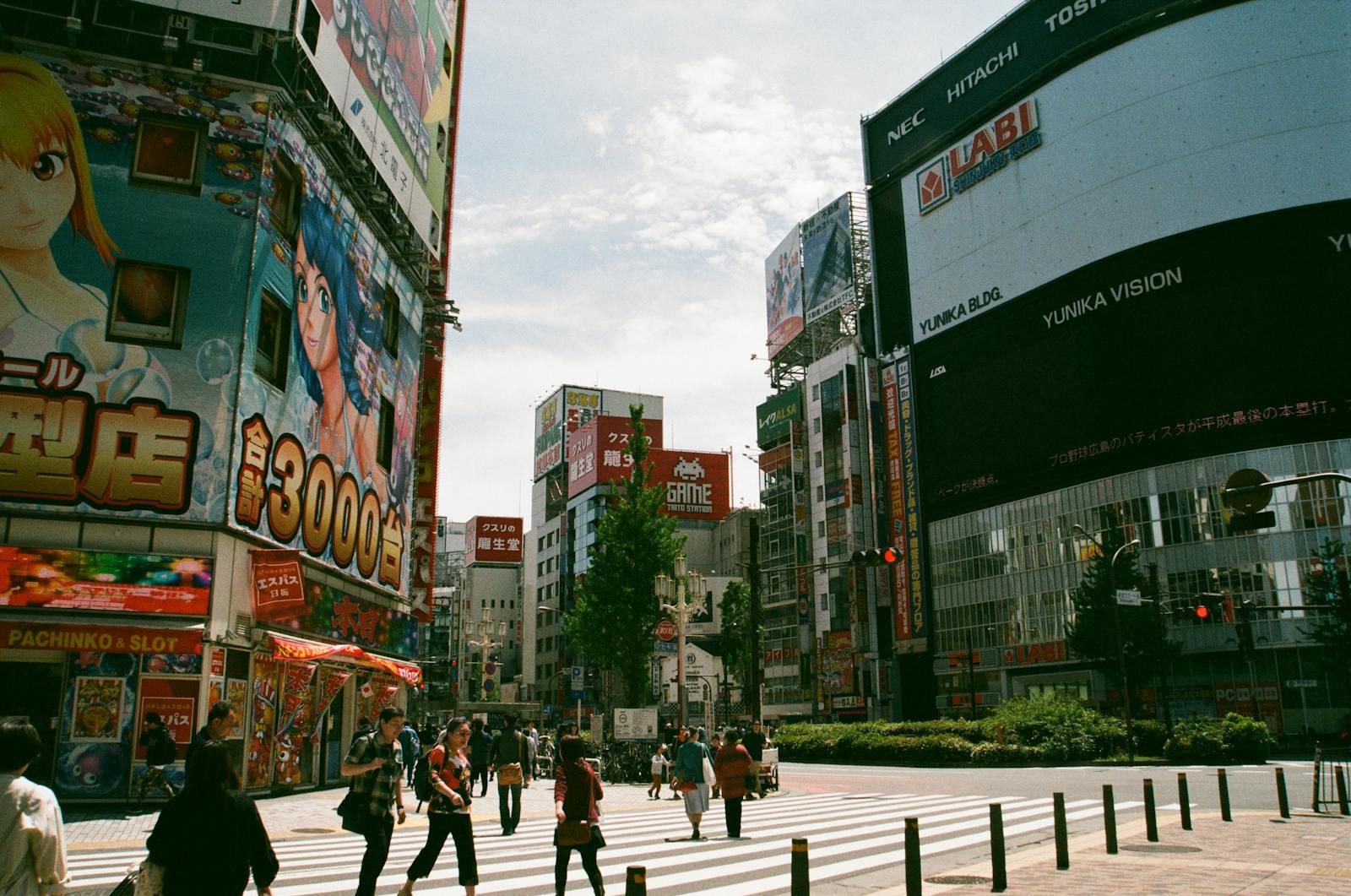
On the East side sits Kabukicho, Japan's largest nightlife district. The famous red gate is a genuine sight, and the edges are fine to look around by day. But the deeper streets are a world of host and hostess clubs, touts and the occasional scam — not where most visitors want to wander, especially after dark. My honest local take: admire it from the entrance, take your photo, and move on.
And yes — the universal Tokyo trick still applies here: look up and follow the overhead signs (the yellow-and-black ones mark the numbered exits). In a station this size, that habit is everything.
If you remember only three things
- JR runs north–south; cross via the East–West Free Passage underground.
- On the West side, lock your exit number before you move — the street is multi-level.
- For Hatsudai / Hatagaya, use the Keio New Line — not the main Keio platforms.
What makes this easy
- A phone with data (eSIM). At Shinjuku, Google Maps' indoor view and exact exit numbers are the difference between five minutes and twenty-five. Google Translate's camera reads any sign you're unsure about. A travel eSIM for Japan activates before you land — no pocket Wi-Fi to carry.
- A Suica or PASMO IC card. Five operators, lots of gates — tap through every one (including the transfer gates between companies) without buying a single ticket.
Where to stay near Shinjuku Station
Planning to stay near Shinjuku Station? Agoda lists thousands of Tokyo hotels — compare prices for your dates and book in a few taps.
🏨 Find your hotel in Tokyo (Agoda)These are affiliate links: they cost you nothing extra, and a small commission helps keep these guides free.
The local bottom line
Shinjuku is the busiest station on Earth, so of course it looks overwhelming. But the skeleton is simple: JR down the middle, cross underground, lock your exit number on the West side, and know that "local" Keio trains skip Hatsudai and Hatagaya. Get those, follow the overhead signs, and you'll move through the world's busiest station like you do it every day — because, well, some of us do.
Keep exploring Tokyo
- Menya Musashi — a Shinjuku ramen legend.
- Ichiran — branches all around Shinjuku.
- Suica & PASMO — one tap through every gate.
- Airport access — to and from Haneda & Narita.
- Shibuya Station — the vertical maze, decoded.
- Tokyo meals under ¥1,000
Saved you from the West-exit underground spiral? If these guides help, a small tip keeps them coming.
☕ Buy me a coffee
Trying to reach a specific exit or line?
Ask me directly — I reply in public so the next traveller benefits too: