Food · Ramen
Ippudo Ginza: The Easy, Famous-Name Tonkotsu
You may already know the name from New York, London or Singapore. If Ichiran is the solo-booth bowl for eating alone, Ippudo is the easy, sit-down bowl you can share — a tablet you order from in your own language, and a globally famous tonkotsu that's better (and cheaper) at home. Here's how to do the Ginza branch like a regular.
Some visitors want the private-booth ritual of Ichiran. Others want to sit at a normal counter or table, maybe with a friend, point at a screen, and get a great bowl with zero stress. That second person should go to Ippudo (一風堂) — and of all its Tokyo branches, the Ginza store is the one I send first-timers to, because everything that makes the chain good is on full display there. Let me explain why, then walk you through exactly how to order so you can sit down like you've done it a hundred times.
What is Ippudo, and why Ginza?
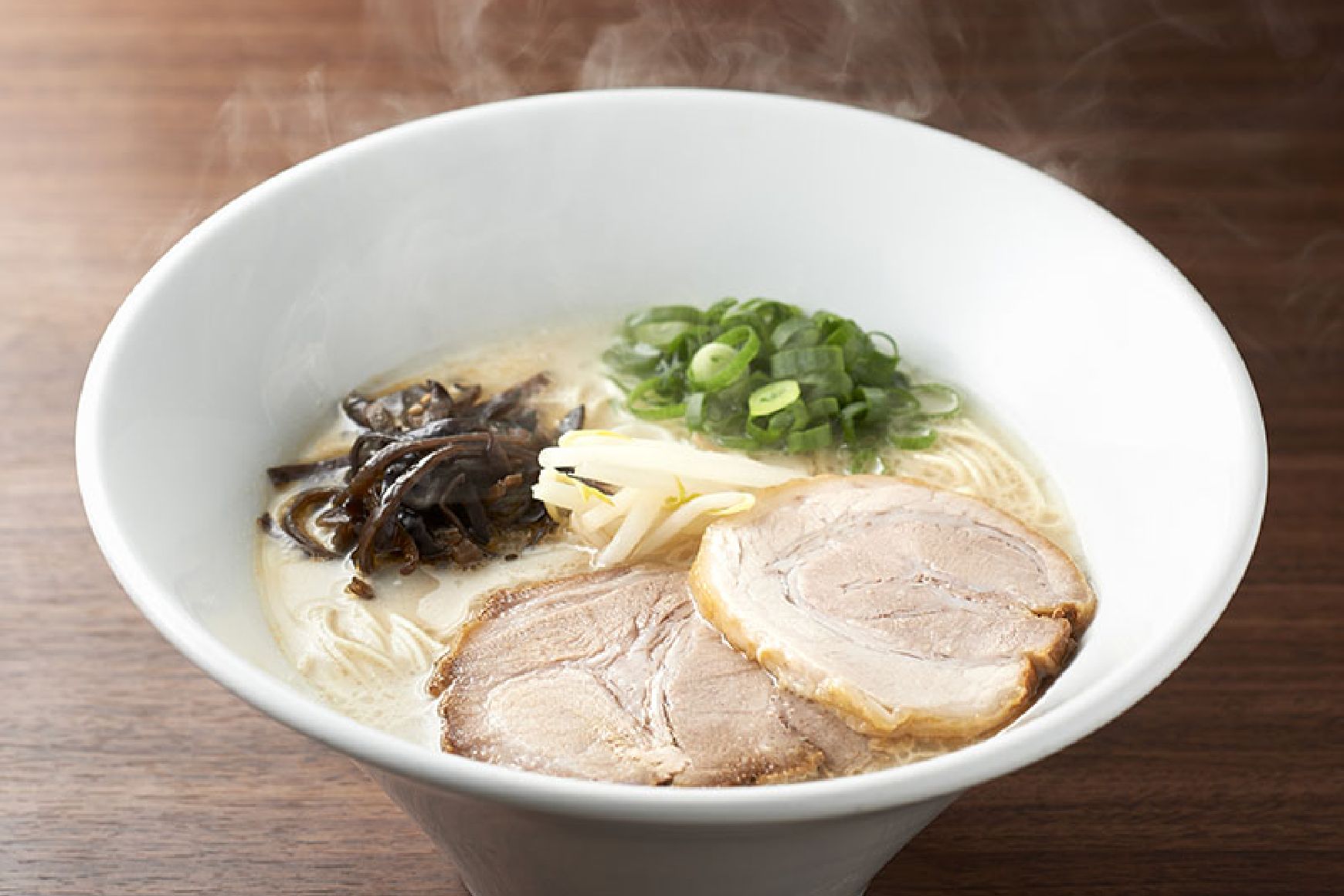
What it is: a Hakata-style tonkotsu chain that started in Fukuoka in 1985 and went global years ago — you've likely seen its signs in New York, London, Singapore or Sydney. The house style is a rich, milky pork-bone broth from southern Japan with thin, straight noodles.
Here's the thing locals will tell you: it still tastes best in Japan, and it's noticeably cheaper here than the same bowl abroad. What's interesting about the Ginza store specifically is who eats there. Japanese regulars keep coming back, and they keep using the same two words: 安定感 (antei-kan) — a sense of reliability — and 完成度 (kansei-do) — how "finished," how complete, the bowl feels. One regular put it simply: even though the room is packed with overseas visitors, the ramen is still excellent. Another, eating there late on December 30th, noticed the room was almost entirely foreign tourists and wrote that it made him feel, in his bones, that ramen really is the dish that represents Japan.
That's the honest local read: it's a tourist favourite, but it earns it. The quality doesn't drop just because the room is full of suitcases.
The bowl itself: white, red, or spicy
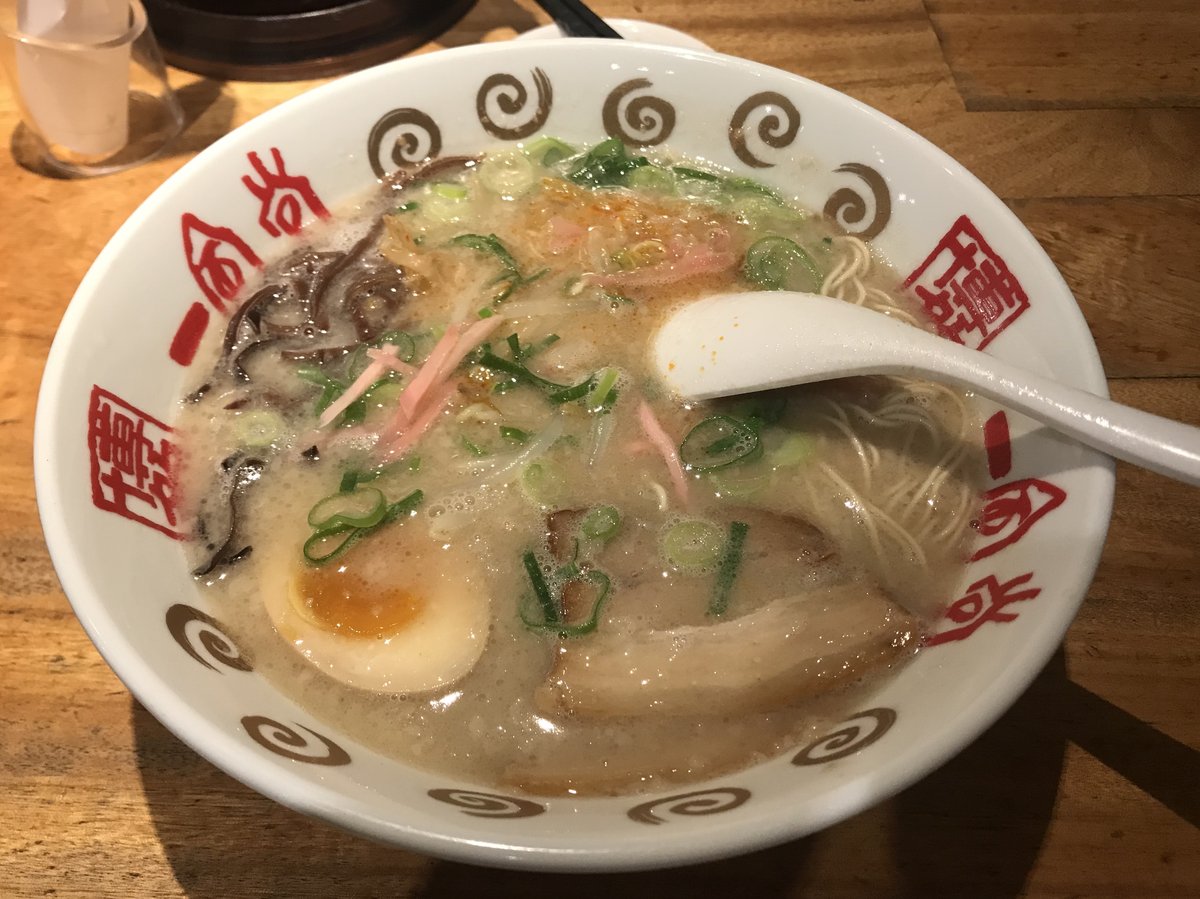
Ippudo's menu looks bigger than it is. Almost everything is a variation on three core bowls:
- Shiromaru (白丸) — the white one. The original: pure, clean Hakata tonkotsu with thin straight noodles. Smooth and mild, pork-forward without the heaviness or "barnyard" smell that scares some people off tonkotsu. If it's your first Ippudo bowl, order this. Locals routinely call it "the peak of tonkotsu," and more than one regular admits they always mean to try something new and always end up back at the Shiromaru. From about ¥950.
- Akamaru (赤丸) — the red one. The same tonkotsu base finished with a dab of miso paste and a fragrant garlic oil. Richer, rounder, a little more dramatic. The one to get on your second visit.
- Karaka-men (からか麺) — the spicy one. Tonkotsu with chilli and spiced ground pork. Genuinely spicy by Japanese standards, so approach with respect if you don't like heat.
You'll also see "Kasane" and various "special" (特製) or extra-loaded versions that pile on a soft egg, nori and extra char siu — roughly ¥1,100–1,800.
One non-negotiable, straight from the regulars: order kaedama (替玉). When you've eaten most of your noodles but there's still good broth in the bowl, ask for a second portion of fresh noodles dropped right in — about ¥150. As one local put it, the kaedama is "essential." Don't skip it.
How to order: the touch panel, step by step
This is where Ippudo removes all the stress. Ordering is done at a touch-screen tablet at your seat, and the very first screen lets you choose your language: Japanese, English, Simplified Chinese, or Korean. Tap English and the entire menu — with prices — becomes readable.
- Pick your language, then tap "Start order."
- Choose a category — Ippudo's recommendations, Akamaru, Shiromaru, Karaka-men, plant-based, kaedama, sides, toppings, drinks.
- Choose your bowl (e.g. Shiromaru). You'll see the simple and loaded "special" versions side by side.
- Choose your noodle firmness. A Hakata tradition: from yawa (soft) to futsu (normal) to kata (firm) to barikata (very firm) and even harigane (wire-hard). Unsure? Futsu is the safe default; kata gives a bit more bite.
- Add toppings if you like (soft egg, extra nori), confirm, and hit send.
Food comes fast — regulars often note it arrives within about four to five minutes. There's no awkward flagging-down of staff, and the service has a reputation for being warm and energetic. Staff will often proactively offer you a paper apron so you don't splash broth on your clothes — just say yes.
The little extras locals love
- Self-service toppings. A counter with free condiments: beni shoga (red pickled ginger), karashi takana (spicy mustard greens), and kara-moyashi (spicy bean sprouts). Take a small dish and add them gradually to change up the flavour halfway through. (Garlic is sometimes set out too, with a press.)
- Rooibos tea. Each seat has a pot of it — a small Ippudo signature and a nice palate-cleanser against the rich broth.
- Gyoza and mentaiko rice. If you've got the room, the bite-sized pan-fried gyoza and the seasoned pollock-roe rice are the classic side orders.
The honest local verdict: is it worth it?
Here's where I earn your trust. Ippudo is not the cheapest ramen, and most locals don't eat it every week. But it is excellent at a specific job, and for a visitor that job is valuable:
- Go to Ippudo if you want an easy, comfortable, sit-down bowl you can share with someone; you like ordering from a screen in your own language; or you simply want the famous name done reliably well — every time, at a fair price for what it is.
- Skip it (for now) if you're counting yen, or you want the solo-booth ritual instead — that's Ichiran — or the absolute best bowl for the money, which is when you walk one street back to a neighbourhood shop, the spirit of our cheap-eats guide.
My honest framing: Ichiran and Ippudo are the two easy on-ramps — Ichiran for eating alone, Ippudo for a relaxed bowl with company. Once you're hooked, step up to a "destination" bowl: the double-soup history of Menya Musashi, or the rich, line-up tonkotsu of Mutekiya in Ikebukuro.
Practical information
Ippudo Ginza (一風堂 銀座店)
- Address: Central Bldg 1F, 4-10-3 Ginza, Chuo-ku, Tokyo (〒104-0061) (東京都中央区銀座4-10-3 セントラルビル1F) — 📍 Open in Google Maps
- Nearest station: Higashi-Ginza Station (Tokyo Metro Hibiya Line / Toei Asakusa Line), exit A2 — a short walk along Harumi-dori toward the Mitsukoshi department store, then right at the first T-junction. Ginza Station is also within easy walking distance.
- Hours: until around 22:30 (varies by day; check before a late visit).
- Budget: about ¥950 for a basic Shiromaru, ¥1,100–1,800 for loaded bowls.
- Payment: credit cards and Japanese transit IC cards (Suica, PASMO, etc.) accepted. (New to IC cards? See our Suica & PASMO guide.)
- Languages: four-language touch-panel ordering; English menu available.
If you remember only three things
- Order the Shiromaru first — the clean, original tonkotsu most regulars keep coming back to.
- Get a kaedama (~¥150) when the broth's still good — locals call it essential.
- It's the easy, sit-down famous name — cheaper than abroad, four-language tablet, no stress. For eating alone, Ichiran; for best value, a back-street shop.
Make the most of your ramen hunt
- A phone with data (eSIM). For finding your nearest branch, checking hours, and reading reviews on the spot, you'll want to be online. A travel eSIM for Japan activates before you land — no airport queue.
- Want a local to lead the way? A small-group Tokyo ramen or food tour takes you past the famous names to the back-street shops most visitors never find.
These are affiliate links: they cost you nothing extra, and a small commission helps keep these guides free.
The local bottom line
Ippudo is famous for a reason — it took Hakata tonkotsu around the world without letting the quality slip, and the bowl you get in Ginza is the genuine article at a friendlier price than you'd pay abroad. It's the relaxed, English-easy, share-a-table bowl: the one that turns a nervous first-timer into someone excited to go hunt down the next bowl. Start here — then let the rest of Tokyo's ramen open up to you.
Helped you order with confidence? If these guides are useful, a small tip keeps them coming.
☕ Buy me a coffee
Question about which branch, the spice level, or going with a group?
Ask me directly — I reply in public so the next traveller benefits too: