Food · Ramen
Mutekiya: Ikebukuro's Legendary Line-Up Ramen — Is It Worth the Wait?
If Ichiran is the easy, no-stress bowl, Mutekiya is the opposite kind of Tokyo ramen experience: you'll probably stand in a line, possibly for an hour, often in the cold, surrounded by other travellers who found this place the same way you did. Every visitor ends up asking the same thing — is it worth the wait? Here's the honest local answer, plus how to do it right.
Ikebukuro is one of Tokyo's great ramen battlegrounds, and the shop with the longest, most stubborn queue is Mutekiya (麺創房 無敵家). It has been written up in the foreign-language guidebooks for years, which is exactly why the line outside often looks more like an international airport than a neighbourhood noodle bar. So let me be straight with you about what you're queuing for — and how to make sure it's a great call, not a wasted hour.
What is Mutekiya, exactly?
What it is: a tiny, fiercely popular tonkotsu (pork-bone) ramen shop that opened in Ikebukuro in 1994 and spent three decades becoming, as locals put it, the "face" of the Ikebukuro ramen scene. The name roughly means "invincible house," and regulars love the pun — one reviewer described the bowl as Mario's invincibility star in ramen form: eat it and you feel unbeatable.
Its international reputation is real and well documented. Mutekiya has earned TripAdvisor Travelers' Choice recognition and has been a repeat winner of "Best Restaurant" honours on Dianping, China's largest review platform — which is why the line here skews heavily toward overseas visitors, Chinese tourists in particular.
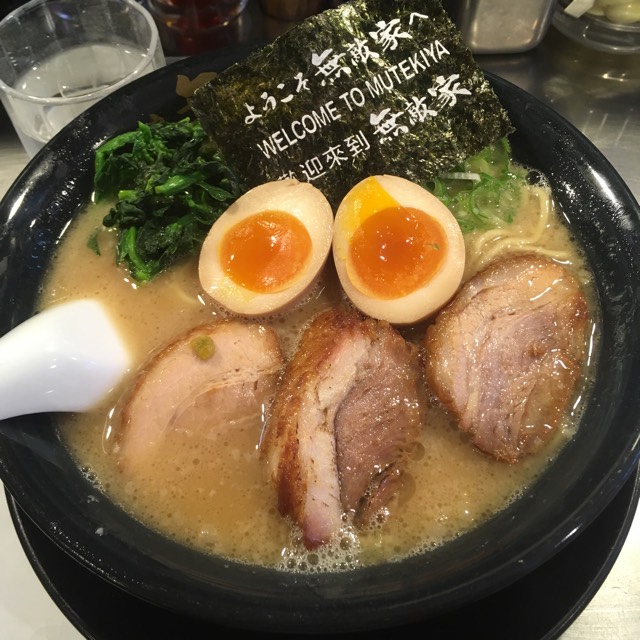
The style is rich tonkotsu with a creamy, almost stew-like body. The shop's manager describes the process they're proud of: high-quality pork bones simmered for around 14 hours and strained twice to pull out impurities and any harshness. The result is the thing Japanese reviewers keep marvelling at — a broth that's deeply rich yet clean, with no gamey pork smell, and a faint sweetness from top-grade back-fat (seabura) boiled fresh through the day. The noodles are medium-thick and straight, made from Hokkaido "Haruyo Koi" wheat, and the char siu pork — thick, lightly seared, soft — is the single most praised element across review after review.
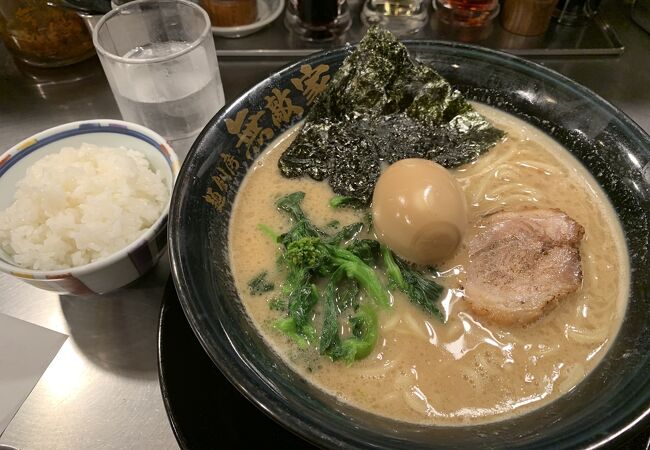
One piece of reassurance worth passing on, straight from the manager: the ramen looks heavy, so some visitors hesitate — but it actually eats lighter than it looks. Reviewers back this up repeatedly: rich and creamy, yet you finish the bowl without feeling defeated.
The honest split: everyone agrees on the food, not the line
Here's the local consensus, stated plainly: almost everyone agrees the quality is high. The disagreement is entirely about the queue. Some regulars happily pay up and call it a must-visit in Tokyo. Others say the food is excellent but they wouldn't queue an hour for it twice. Both things are true at once — and which camp you land in mostly depends on how long you waited and how hungry you were when you finally sat down. Get the timing right (below) and almost everyone lands in the happy camp.
What to order — and the free-size trick
The menu is large and can feel overwhelming, but it's built around a few pillars. A useful habit of the shop: while you wait in line, staff hand you a menu so you can decide before you sit — use that time, because turnover is quick once you're inside. An English (and Chinese/Korean) menu is available, so don't panic.
- Mutekiya Ramen Niku-tama (無敵家らーめんニクタマ) — order this first. The near-unanimous first-timer pick; one fan with 50-plus visits flatly says you can't go wrong starting here, and the shop treats it as its signature. It piles on three kinds of thick-cut char siu — plain and seared, so you can taste the difference — plus a seasoned egg (ajitama). Around ¥1,200–1,250, and one of the most photographed bowls in the shop. If you eat only one thing at Mutekiya, make it this.
- Honmaru-men (本丸麺) — the purist's flagship. The most direct way to taste the soup-and-noodle combination Mutekiya is built on, without a pile of toppings in the way. The one to get when you can't decide.
- Hon-toro Tokumaru-men (本トロ特丸麺) — the richest. A "two-stage" pork broth for maximum tonkotsu intensity. Excellent, but save it for a second visit once you know you like the style.
The free toppings — this is the fun part
Mutekiya's counter is lined with free toppings, and using them well is half the experience. You'll find spicy mustard greens (karashi takana) — including a punchy "bomb" pickle version for when you want to sharpen the soup — a house blend of bonito powder, low-odour garlic from Aomori, and more. Add them gradually as you eat to shift the flavour of the bowl partway through.
And the detail almost every Japanese reviewer mentions with gratitude: concentrated jasmine tea. There's a jasmine tea concentrate you add to your water — it cuts the richness of the pork fat beautifully and resets your palate between mouthfuls. People describe this small touch as genuinely delightful. Staff also offer paper aprons and hair ties so you don't splash broth on your clothes — just ask.
The line, and how to beat it
This is the make-or-break part, so here's the practical truth. Mutekiya keeps long hours — roughly 10:30 in the morning until 4:00 the next morning — which is itself a gift, because it opens up off-peak windows most famous ramen shops don't offer. The queue forms at basically every normal mealtime, and turnover is slow because there are only 17 counter seats and no tables.
To minimise the wait, target one of three windows regulars swear by:
- Right at opening, ~10:30–10:45 AM. Arrive as the shutters go up.
- Mid-afternoon, ~3:00–4:30 PM. The most reliable, realistic window — a 50-visit regular calls this the surest bet for walking in with little wait.
- Late night, ~2:00–4:00 AM. Almost guaranteed quiet thanks to the 4 AM close — though obviously not practical for most travellers.
How ordering and paying works
- Decide in the queue. Take the menu staff hand you and pick your bowl before you're seated.
- Counter only. All 17 seats face the kitchen — a solo-friendly, watch-the-bowl-being-built setup.
- Cash only. This is the big one for visitors: cards are not accepted, so bring yen. (New to Japan's cash habit? Our Suica & PASMO guide covers how locals pay for almost everything else.)
- Leave the luggage. Suitcases, strollers and wheelchairs cannot be brought inside — relevant if you're arriving straight off a travel day.
The honest local verdict: is it worth it?
Here's where I earn your trust. Mutekiya is not the bowl I'd recommend if your time in Tokyo is tight and you hate lines — for that, Ichiran or another walk-in shop makes more sense.
- Go to Mutekiya if you're spending a day around Ikebukuro, you can time it for an off-peak slot, and you arrive hungry — then this is one of the most satisfying bowls of rich tonkotsu in the city: thick char siu, creamy back-fat broth with no funk, and that little hit of jasmine tea to keep you going.
- Skip it (for now) if you're on a tight schedule, you can't face a queue, or you're counting yen hard — a few minutes away in the same neighbourhood, Tonchin serves a no-queue "Tokyo tonkotsu" for around ¥880, and Tokyo is full of superb neighbourhood bowls for ¥750–900 (the spirit of our cheap-eats guide).
My honest framing: have your easy on-ramp bowl at Ichiran, your first "destination" bowl at Menya Musashi — and if Ikebukuro is on your itinerary and you love rich tonkotsu, slot Mutekiya in at an off-peak hour. Bring cash, bring patience, and let the toppings counter do its work. Most people walk away understanding exactly why the line exists.
Practical information
Mutekiya (麺創房 無敵家)
- Address: Sakimoto Bldg 1F, 1-17-1 Minami-Ikebukuro, Toshima-ku, Tokyo (〒171-0022) (東京都豊島区南池袋1-17-1 サキガケビル1F) — 📍 Open in Google Maps
- Nearest station: Ikebukuro Station — about a 3-minute walk from the East Exit (turn right out of the exit). Via the Seibu line, the South Exit is closest.
- Hours: roughly 10:30 – 4:00 (next day). Closed around New Year (Dec 31 – Jan 3). It also closes about 5 days each August for maintenance — dates are announced on the website by mid-March, so check before a summer visit.
- Seats: 17 counter seats only — no tables.
- Budget: about ¥1,000–1,500 for most bowls.
- Payment: cash only — cards not accepted.
- Languages: English / Chinese / Korean menu available.
- Note: suitcases, strollers and wheelchairs cannot be brought inside.
If you remember only three things
- Time the queue, not the food. Quality is consistently high; your experience lives or dies on when you go — aim for ~3:00–4:30 PM.
- Order the Niku-tama, size up for free. The signature bowl with three char siu, and the large noodle portion costs the same as regular.
- Bring cash, leave the suitcase. Cash only, 17 counter seats, no luggage inside.
Make the most of your ramen hunt
- A phone with data (eSIM). For checking the live queue, the August closure dates, and finding your nearest bowl, you'll want to be online. A travel eSIM for Japan activates before you land — no airport queue.
- Want a local to lead the way? A small-group Tokyo ramen or food tour takes you past the famous names to the back-street shops most visitors never find.
These are affiliate links: they cost you nothing extra, and a small commission helps keep these guides free.
The local bottom line
Mutekiya is famous because the bowl genuinely delivers — three decades of refining one rich, clean tonkotsu until it became Ikebukuro's calling card. The line is real, but it's the only thing standing between you and a seriously good bowl. Plan around it: go off-peak, go hungry, bring cash. Do that, and you'll be one of the people who walks away nodding, not grumbling.
Helped you decide whether to join the line? If these guides are useful, a small tip keeps them coming.
☕ Buy me a coffee
Not sure when to go, or want a no-queue alternative?
Ask me directly — I reply in public so the next traveller benefits too: