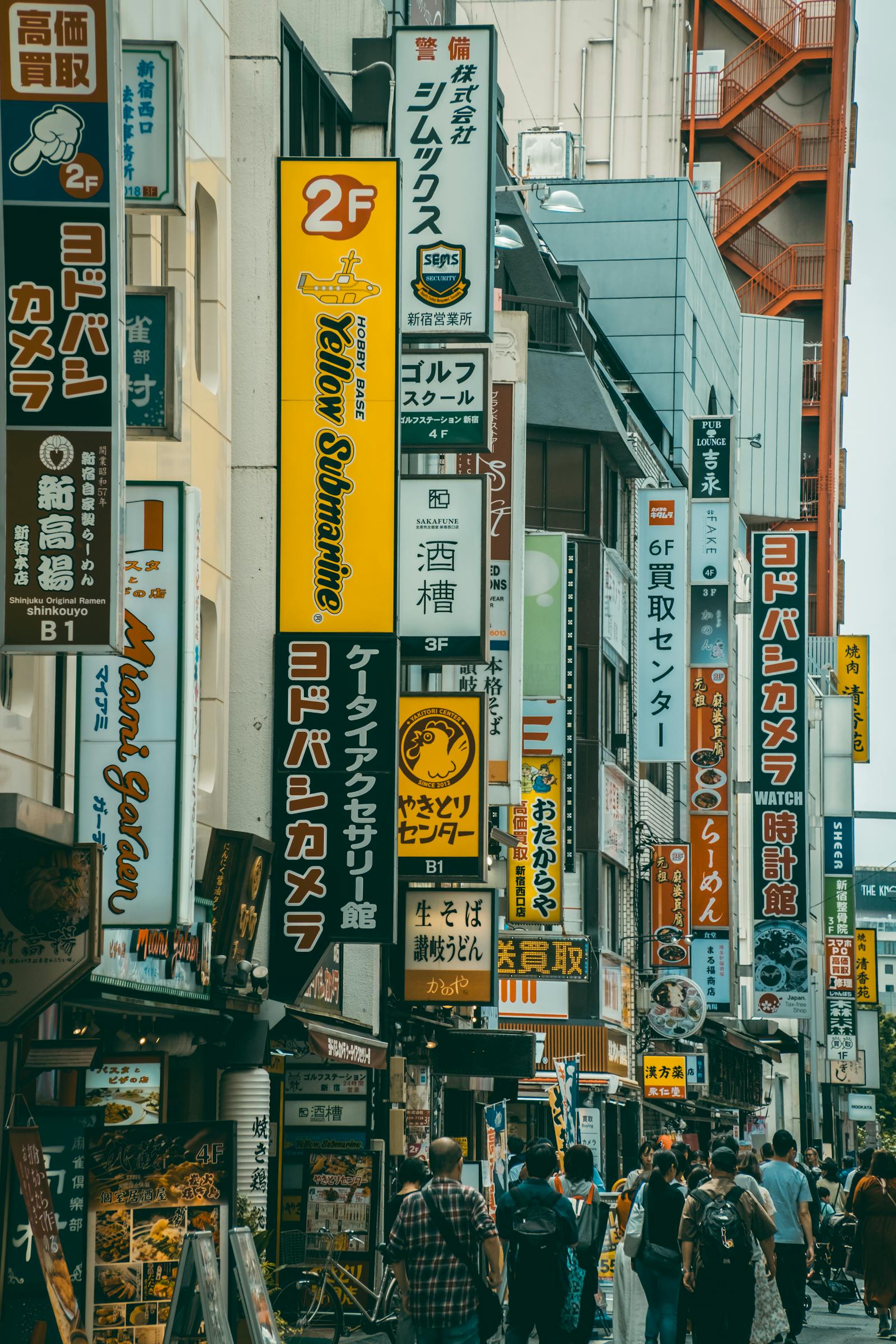
Getting Around · Stations
Ikebukuro Station Without Getting Lost: A Local's Guide
Five railway companies, platforms on the "wrong" side, dozens of exits. It looks like chaos — but it runs on simple logic. Here's the map in my head.
Ikebukuro is one of the busiest railway stations on Earth — around 2.3 million people pass through every day, putting it third in the world behind only Shinjuku and Shibuya. It's shared by five rail operators, stacked across several underground levels, with exits scattered in every direction. First-timers routinely lose fifteen or twenty minutes just finding the right way out.
I change trains here constantly. And honestly? It's not hard once you understand the logic. Memorise one rule and follow the exit numbers, and you'll move through it like a resident. Here's how.
The one rule everyone needs: "Seibu East, Tobu West"
This single quirk trips up almost everyone — especially people who know a little Japanese. The two private railways are named after directions, and they point the wrong way:
Seibu (西武) literally means "west" — but the Seibu line platforms and the Seibu department store are on the EAST side (East Exit / 東口).
Tobu (東武) means "east" — but Tobu is on the WEST side (West Exit / 西口).
The formula locals just memorise: "Seibu = East, Tobu = West." Burn it in, and ignore what the names seem to say.
Who runs what — the five operators
Why this matters: these are separate companies. A "transfer" at Ikebukuro often means tapping out of one company's gates and into another's — not just walking across a platform. (An IC card handles the fares for you; more on that below.)
- JR East — the Yamanote Line (the green loop that circles central Tokyo, linking Shinjuku, Shibuya, Tokyo and Ueno), plus the Saikyo and Shonan-Shinjuku Lines. This is the centre of the station, at ground level.
- Tokyo Metro — the Marunouchi and Yurakucho Lines (about two floors underground), and the Fukutoshin Line — four floors down, the deepest of the lot.
- Seibu Ikebukuro Line — east side (this is its Tokyo terminus).
- Tobu Tojo Line — west side (its Tokyo terminus).
Crossing east–west: the three underground passages
Here's the thing that explains the whole station: the JR lines run north–south straight through the middle. At street level they wall the East side off from the West, so to get from one to the other you go underground. There are three main east–west passages, and knowing them is half the battle — all three connect to the JR gates:
- North Passage — home to the Ikefukurou owl statue, the city's classic "meet me at the owl" spot (a little like Shibuya's Hachikō). It's a busy crossing near the East Exit where travellers regroup and sort out their bags, so don't expect calm — but it's easy to find.
- Central Passage — the widest and longest east–west route, lined with JR's central gates. This is also your way to the Tokyo Metro Marunouchi and Fukutoshin Lines. When in doubt, default to the Central Passage.
- South Passage — leads to JR's south gates and the Yurakucho Line. One catch: the Yurakucho Line has its own separate concourse, so switching to it means tapping out through a gate and back in.
Transfers without the panic
- Use an IC card (Suica or PASMO — a rechargeable tap card). Tap through every gate and the fares between the different companies sort themselves out. Without one, you'd be buying a fresh ticket at each operator.
- Expect "transfer gates." Because the operators are separate, moving between JR and Metro/Seibu/Tobu usually means passing an orange transfer gate — tap, walk, tap again. That's normal, not a wrong turn.
- Respect the Fukutoshin Line's depth. It's four storeys down. Give yourself 5+ minutes and a few escalators — don't sprint for a connection assuming it's close.
- Go underground. The below-ground concourse is straight, sheltered and signed; street level is the chaotic part.
The exits, decoded: East vs West
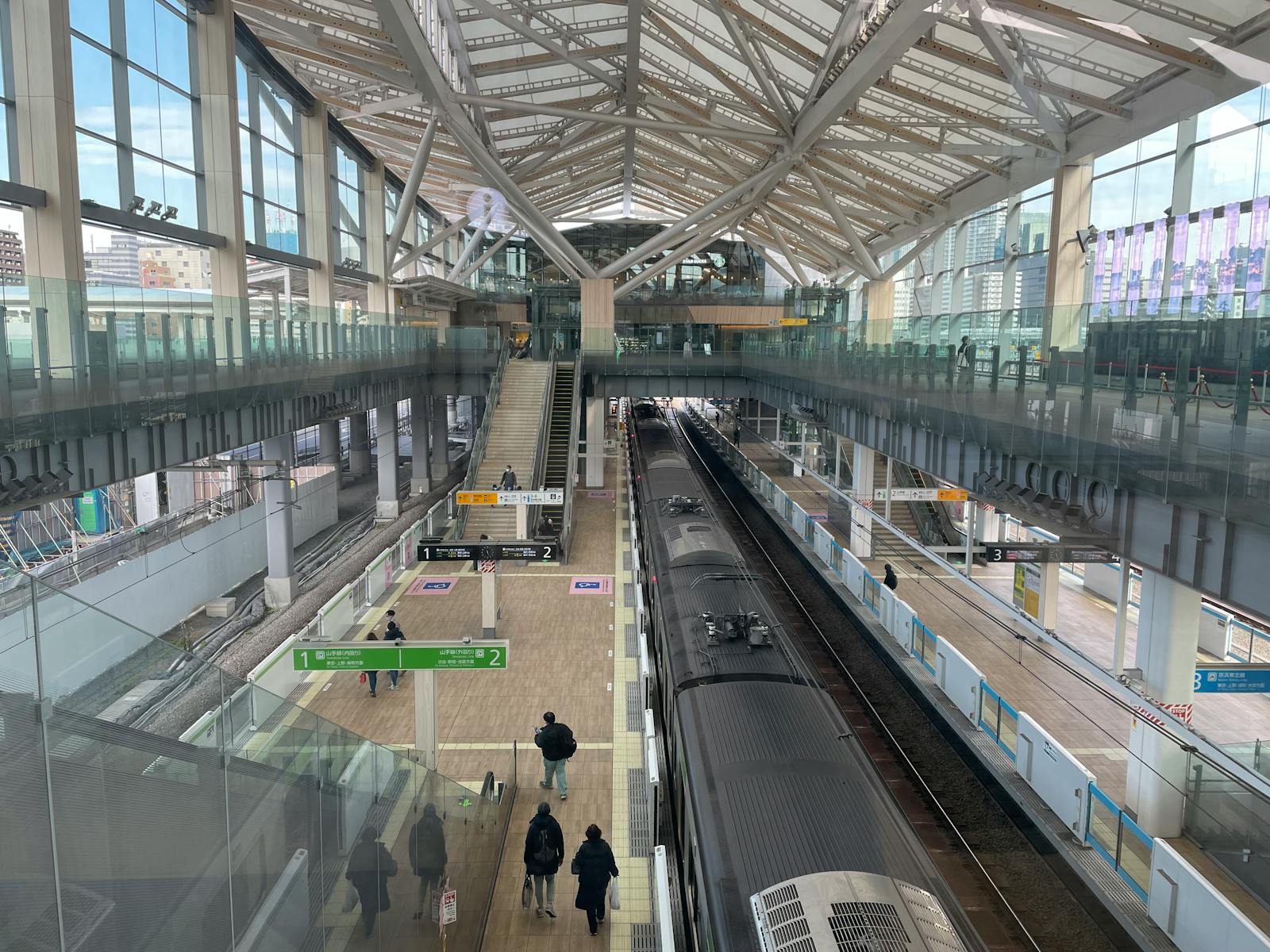
The East Exit (東口) and West Exit (西口) are the two giant gateways — the biggest and best-signed. Here's what's on each side:
- East Exit (東口) — Sunshine City (the huge mall-aquarium-observation complex, about a 10-minute walk; aim for East Exit No. 35 and Sunshine 60 Street), the anime and subculture area including Otome Road, the Seibu department store, and a dense run of cheap eats.
- West Exit (西口) — the Tobu department store, Ikebukuro West Gate Park, the Tokyo Metropolitan Theatre, and a lively nightlife and izakaya zone.
If you just need to surface and get your bearings, head for the East or West Exit. From either, you can always restart and reorient.
In feel, the two sides are quite different. The East side is the livelier one — Sunshine City, covered shopping arcades and a wall of cheap eats. The West side is noticeably calmer. One local heads-up: the area heading north from the West Exit shades into a nightlife and red-light district. It's worth knowing it's there — but it's not where most visitors will want to wander, especially after dark.
Don't-get-lost tactics
The master move: look up and follow the overhead signs. This works in every Tokyo station, not just Ikebukuro. Big boards hang from the ceiling at every junction — the yellow-and-black ones point to the numbered exits, while the line-coloured ones point to platforms and transfers. Lock onto the sign for where you're going and keep following it; it hands you off, board to board, all the way to your train or your exit. Build that one habit and no Tokyo station can really get you lost.
- Follow exit numbers, not vibes. Your maps app gives you a numbered exit (say, "Exit 35"). Chase that number on the overhead signs — don't guess by direction.
- Match the line's colour and letter. Each line has a colour and a letter-number code (Marunouchi is red "M", Fukutoshin is brown "F", and so on). Lock onto your line's colour and follow it.
- Use the underground passages — straight, covered, and far calmer than the street-level crush.
- Meeting someone? The classic local meet-up spot is the Ikefukurou owl statue on the North Passage (see above) — "meet me at the owl" is something Tokyoites actually say.
- Lost? Aim for the East Exit or West Exit and start again from there.
If you remember only three things
- Seibu = East, Tobu = West. (The names lie.)
- Follow your exit number, underground.
- When in doubt, head for the East or West Exit and reorient.
What makes this easy
- A phone with data (eSIM). Google Maps shows Tokyo's stations indoors, gives you the exact numbered exit, and routes you through the underground. Google Translate's camera reads any sign you're unsure about. A travel eSIM for Japan activates before you land — no pocket Wi-Fi to carry.
- A Suica or PASMO IC card. Tap through every gate — including the transfer gates between companies — without buying a single ticket. It's the difference between gliding through Ikebukuro and queuing at a machine while crowds stream past.
Where to stay near Ikebukuro Station
Planning to stay near Ikebukuro Station? Agoda lists thousands of Tokyo hotels — compare prices for your dates and book in a few taps.
🏨 Find your hotel in Tokyo (Agoda)These are affiliate links: they cost you nothing extra, and a small commission helps keep these guides free.
The local bottom line
Ikebukuro looks like a maze because it's huge and busy — but it runs on a handful of simple rules. Seibu East, Tobu West. Follow your exit number underground. When in doubt, aim for the East or West Exit. Do that, and you'll move through one of the world's busiest stations like you've been doing it for years.
Keep exploring Tokyo
- Mutekiya — Ikebukuro's legendary tonkotsu queue.
- Tonchin — the Ikebukuro original.
- Ramen Butayama — Ikebukuro's friendly Jiro-style bowl.
- Ramen Shop (Ra-Sho) — the local roadside legend.
- Suica & PASMO — tap straight through every gate.
- Tokyo meals under ¥1,000 — eat well for less nearby.
- Shinjuku Station — decode the world's busiest station.
Did this save you from a 20-minute detour? If these guides help, a small tip keeps them coming.
☕ Buy me a coffee
Heading to a specific exit or line?
Ask me directly — I reply in public so the next traveller benefits too: