Food · Ramen
Ramen Shop (Ra-Sho): Tokyo's Roadside Ramen Institution — Now in Ikebukuro
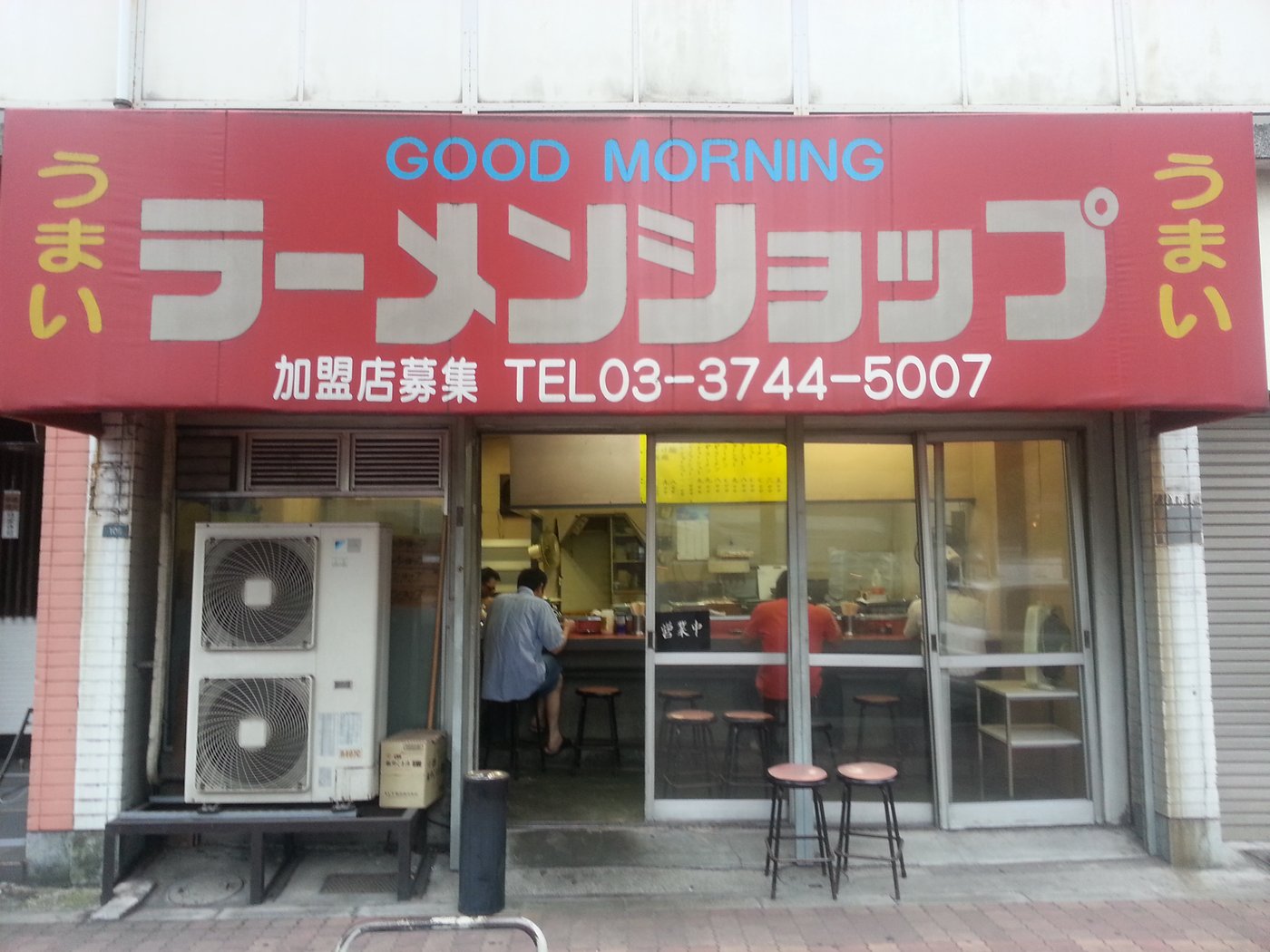
This is the most "local" bowl on this whole site. Ramen Shop — everyone calls it "Ra-sho" — is the roadside chain Japanese people grew up eating on road trips and after night shifts. Tourists almost never find it, because it usually sits on suburban highways, not in train-station districts. As of late 2025 there's finally an easy one to reach in Ikebukuro. Here's why locals love it, and how to order.
Ask a Japanese person about Ramen Shop (ラーメンショップ) and watch their face. It's not a trendy bowl, it's not on the "best ramen in Tokyo" lists foreign media recycle, and it has no single celebrity chef. It's something more interesting than that: a piece of everyday Japan. For decades, "Ra-sho" (ラーショ, the universal nickname) has been the red-signed shop glowing beside a national highway at 1 a.m. — the bowl you ate on a family road trip, after a long drive, or coming off a late shift. If our whole site is about "not the tourist Tokyo — the one we live in," this is about as deep into the real one as ramen gets.
What is Ramen Shop, exactly?
What it is: a long-running ramen franchise — really a loose federation of individually-run shops — headquartered at Tsubaki Shokudo Kanri (椿食堂管理) in Ota-ku, Tokyo. By the mid-2010s there were more than 300 Ra-sho shops across Honshu, Shikoku and Kyushu, the great majority of them roadside in the suburbs and countryside rather than in city centres.
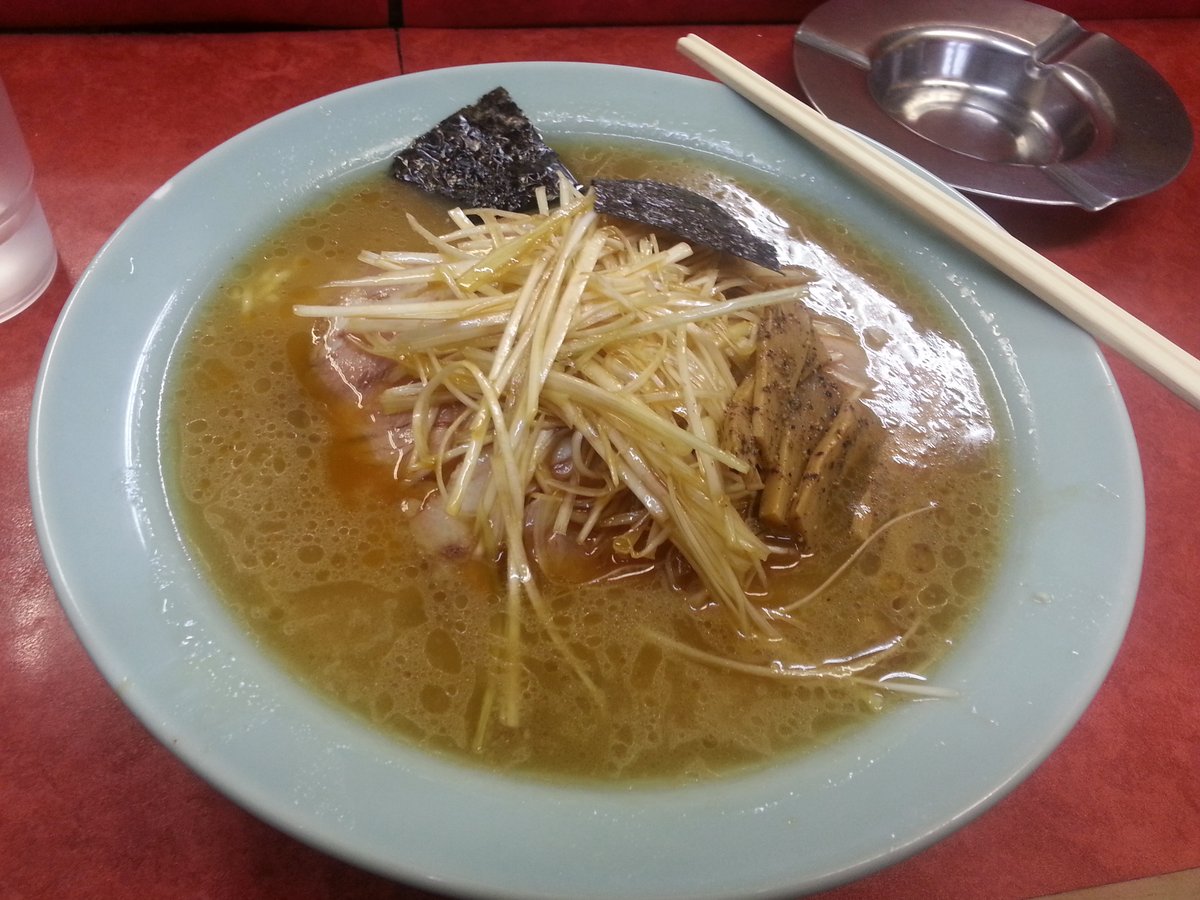
The house style is what's sometimes called "Tokyo tonkotsu": a soy-sauce (shoyu) ramen base enriched with rich pork-bone broth, finished with sesame oil and a secret seasoning the chain calls "kuma-no-te" (クマノテ). The result is savoury, oily and moreish in a way that's hard to stop eating — comfort food, not haute cuisine.
The franchise that lets every owner go their own way
Here's the detail that makes Ra-sho special, and a little confusing. Head office supplies each shop with only a few things: the know-how for the pork-soy broth, the noodles, the tare (seasoning base) and the bowls. Everything else — the side menus, the opening hours, the extra toppings, even whether there's a counter of regulars drinking beer at midnight — is left to the individual owner.
That means no two Ra-sho are quite the same. One branch might be famous for its gyoza, another for a monster negi-chashu, another for staying open absurdly late. Locals don't love "Ramen Shop" the brand so much as they love their Ra-sho — the specific one near home. It's the opposite of a slick, standardised chain, and that's exactly the charm.
Why ramen nerds care: it's an ancestor of iekei
Ra-sho isn't just nostalgic — it's historically important. The founder of Yoshimuraya (吉村家), the shop that started the entire iekei (家系) genre of thick soy-tonkotsu ramen, reportedly learned his craft working at a Ramen Shop near the Keihin truck terminal in Ota for about half a year before opening his own place in Yokohama. In other words, the genre we cover in our Yokohama iekei guide traces part of its DNA straight back to humble roadside Ra-sho. Eating here is tasting where a whole family tree of Tokyo-area ramen began.
What to order
- Negi Ramen (ネギラーメン) — the signature. The whole point of Ra-sho: a normal bowl crowned with a mountain of green onion tossed in spicy sesame seasoning. It cuts the richness and is genuinely addictive. Around ¥950 at the Ikebukuro branch.
- Negi-Chashu-Men (ネギチャーシューメン) — go big. The negi bowl plus a generous layer of char siu pork. The classic Ra-sho splurge; it can run close to double a plain bowl, which tells you how much they pile on.
- Plain Ramen (ラーメン) — the honest baseline. If you want to taste the actual soy-tonkotsu broth without the onion avalanche, start here. About ¥800 in Ikebukuro.
- Rice on the side. A small bowl of rice is near-mandatory local etiquette with a salty, oily Ra-sho broth — and some branches do a negi-don (green-onion rice bowl) for a few hundred yen. Cheap, filling, very local.
- Grated garlic. Many counters keep raw grated garlic out for you to add. Powerful — use a little, and maybe not on a first date.
Where to try it near central Tokyo: the Ikebukuro branch
For years the catch with Ra-sho was simple: you needed a car. The shops cluster along suburban highways, so visitors based around train stations basically never encountered one. That changed in September 2025, when a Ra-sho-style shop called "Ramen Shop Maruka" (ラーメンショップ◯化) opened a short walk from Ikebukuro Station — by local accounts, the first genuinely accessible Ra-sho near the city centre in about two decades.
What it is: a small counter shop (around 10 seats) run by the Fukutake group, using noodles from the well-known Asakusa Kaikaro (浅草開化楼) maker — which is where the "◯化" logo comes from (the "化" of Kaikaro inside a circle). The broth is a lighter animal-and-soy style with fine back-fat, leaning iekei. You buy a ticket from a vending machine (食券) at the door, then hand it over at the counter.
It opened to lines out the door and has kept a steady following since — a sign that plenty of Tokyoites were quietly missing their roadside Ra-sho fix.
The honest local verdict: should you go?
Let me be straight, because Ra-sho is not a trophy bowl and I won't sell it as one.
- Go if you want to eat the way locals actually eat — the unpretentious, garlicky, road-trip ramen that almost no guidebook sends you to; you like green onion and rich, salty soy-tonkotsu; or you're a ramen history nerd who wants to taste a root of the iekei family. For the right person it's far more memorable than another polished tourist bowl.
- Skip it if you're after the photogenic, world-famous "Tokyo ramen" experience — Ra-sho is humble and unflashy by design. If heavy sesame, garlic and green onion aren't your thing, or it's your very first bowl in Japan, you'll have an easier, gentler time at Ichiran or Ippudo first.
My honest framing: Ra-sho is the "locals' everyday" bowl — the counterweight to the destination shops. If you've already done the famous names and want to understand what ordinary, lived-in Tokyo ramen tastes like, this is the one. While you're in the area, it pairs naturally with our Mutekiya and Tonchin guides — two more very different Ikebukuro bowls.
Practical information
Ramen Shop / "Ra-sho" (ラーメンショップ) — central-Tokyo branch: Ramen Shop Maruka, Ikebukuro (ラーメンショップ◯化 池袋店)
- Where (Ramen Shop Maruka, Ikebukuro / ラーメンショップ◯化 池袋店): 3-33-17 Nishi-Ikebukuro, Toshima-ku, Tokyo — Tobu Nishi-Ikebukuro Sunlight Mansion 1F (東京都豊島区西池袋3-33-17 東武西池袋サンライトマンション1F), about a 2-minute walk from Ikebukuro Station (near the C3 subway exit). 📍 Open in Google Maps.
- Hours: roughly 11:30 am–3 pm and 5–9 pm, typically closed Tuesday and Wednesday. Listings differ a little — confirm on the shop's X on the day.
- Budget: about ¥800 for plain ramen, ¥950 for negi ramen; tsukemen and rice/negi-don sides extra. Everyday-priced.
- Ordering & paying: ticket vending machine at the entrance; bring cash to be safe. (New to paying in Japan? See our Suica & PASMO guide.)
- Seats: a small counter (around 10 seats) — expect to wait at peak times; it's not a group venue.
- Good to know: classic Ra-sho is a roadside, car-only experience; this Ikebukuro shop is the rare one you can reach by train. For the full highway version you'd need to drive out to the suburbs.
If you remember only three things
- Ra-sho is the locals' roadside ramen — the everyday, garlicky, green-onion bowl tourists almost never see, normally found beside suburban highways.
- Order the negi (or negi-chashu) with rice — the sesame-dressed green onion is the whole identity, and rice is the local move.
- Ikebukuro now makes it reachable — a Ra-sho-style shop opened near the station in 2025, so for once you don't need a car.
Make the most of your ramen hunt
- A phone with data (eSIM). For finding the right exit, checking the shop's hours on X and navigating Ikebukuro's maze, you'll want to be online. A travel eSIM for Japan activates before you land — no airport queue.
- Want a local to lead the way? A small-group Tokyo ramen or food tour takes you past the famous names to the back-street and everyday shops most visitors never find.
These are affiliate links: they cost you nothing extra, and a small commission helps keep these guides free.
The local bottom line
Ramen Shop will never be the bowl on the front of a Tokyo guidebook, and that's precisely why it belongs on this site. It's the ramen of road trips and late shifts, of a hundred slightly-different counters run by a hundred different owners, of the salty-sweet broth that quietly seeded the iekei genre. For decades you needed a car to taste it; now you can do it on foot in Ikebukuro. Order the negi, add a bowl of rice, and eat a piece of the Tokyo locals actually live in.
Helped you find the real, local bowl? If these guides are useful, a small tip keeps them coming.
☕ Buy me a coffeeImage credits (both photos show actual Ramen Shop / GOOD MORNING Ramenshop branches in Ota, Tokyo, resized): Thirteen-fri, CC BY-SA 3.0, via Wikimedia Commons.
Want to find a Ra-sho near where you're staying?
Ask me directly — I reply in public so the next traveller benefits too: